
Test Your Knowledge of : colonization
The History of Australia
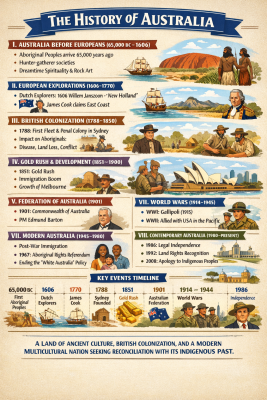
The History of Australia Overview
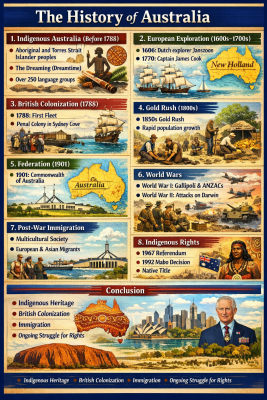
Quiz on Colonization
Engaging in quizzes about colonization offers a multifaceted exploration of a pivotal period in global history. This topic encompasses the expansion of European powers into Africa, Asia, the Americas, and Oceania, profoundly impacting the world’s cultural, political, and economic landscapes.
Firstly, quizzes on colonization provide an opportunity to understand the complex dynamics of power and control. They delve into the motivations behind colonization, such as economic gain, religious conversion, and territorial expansion. By examining these factors, participants can gain insights into the driving forces of historical events and their long-lasting effects.
Secondly, these quizzes highlight the cultural exchanges and conflicts that arose during this era. Colonization led to the blending of cultures, languages, and traditions, but also to significant cultural erosion and loss. Understanding these interactions helps in appreciating the diverse cultural tapestry of the modern world and recognizing the roots of many contemporary societal issues.
Moreover, quizzes on colonization encourage critical thinking about the ethical implications and human costs of imperial expansion. They prompt reflection on the experiences of indigenous populations, the impact of colonial policies, and the resistance movements that emerged. This fosters a deeper understanding of historical injustices and their ongoing repercussions.
Additionally, such quizzes can enhance knowledge about the geopolitical changes that shaped modern nation-states. They cover the drawing of borders, the establishment of colonial administrations, and the eventual paths to independence. This knowledge is crucial for comprehending current international relations and conflicts.
In summary, quizzes on colonization are not just about recalling historical facts; they are a gateway to understanding the complexities of human history. They promote awareness of cultural diversity, encourage critical reflection on past and present issues, and provide a comprehensive view of how colonization has shaped the world we live in today.