
Test Your Knowledge of : molecular biology
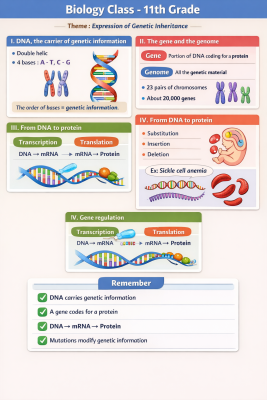
Biology Class: Genetic Inheritance
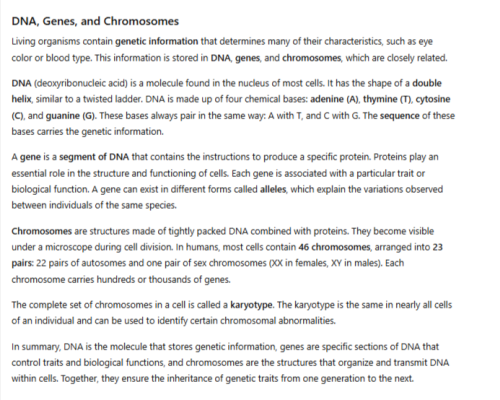
DNA, Genes, and Chromosomes
Quiz on Molecular Biology
Engaging in quizzes on molecular biology offers a multitude of benefits for students, educators, and science enthusiasts alike. This field, which delves into the molecular mechanisms that underpin the structure and function of living organisms, is both fascinating and complex. Quizzes serve as an effective tool to reinforce learning and deepen understanding of this intricate subject.
Firstly, molecular biology quizzes help consolidate knowledge by encouraging active recall. This process strengthens memory retention, making it easier to remember complex concepts such as DNA replication, transcription, and translation. By regularly testing oneself, learners can identify gaps in their understanding and focus on areas that require further study.
Moreover, quizzes can enhance critical thinking skills. Molecular biology often involves problem-solving and the application of theoretical knowledge to practical scenarios. Quizzes that incorporate real-world examples and case studies challenge participants to think critically and apply their knowledge in novel ways.
For educators, quizzes are a valuable assessment tool. They provide immediate feedback on students' comprehension and progress, allowing instructors to tailor their teaching strategies to better meet learners' needs. Additionally, quizzes can be a fun and interactive way to engage students, fostering a more dynamic and participatory learning environment.
For science enthusiasts, quizzes offer an opportunity to stay updated with the latest advancements in molecular biology. This field is rapidly evolving, with new discoveries and technologies emerging regularly. Quizzes can introduce learners to cutting-edge research and innovations, keeping them informed and inspired.
Finally, participating in molecular biology quizzes can spark curiosity and a passion for science. By exploring the molecular foundations of life, learners gain a deeper appreciation for the complexity and beauty of biological systems. This can motivate further study and potentially inspire future careers in scientific research and biotechnology.