
Test Your Knowledge of : plant reproduction
Quiz on Plant Reproduction
Engaging in quizzes about plant reproduction offers a fascinating journey into the world of botany, enhancing both knowledge and appreciation for the natural world. Plant reproduction is a fundamental biological process that ensures the survival and diversity of plant species. By exploring this topic through quizzes, learners can deepen their understanding of various reproductive strategies, including sexual and asexual reproduction, and the intricate mechanisms plants use to propagate.
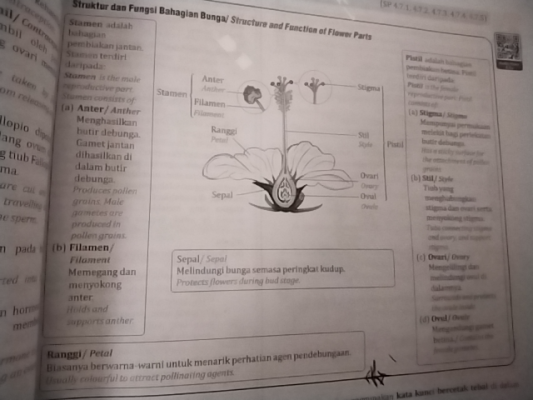
Quizzes on plant reproduction can cover a wide range of topics, such as the structure and function of flowers, the role of pollinators, seed dispersal methods, and the differences between gymnosperms and angiosperms. This diversity in content helps learners appreciate the complexity and adaptability of plant life. Understanding these concepts is crucial for anyone interested in botany, ecology, agriculture, or environmental science, as it provides insights into how plants adapt to their environments and contribute to ecosystems.
Moreover, quizzes can make learning about plant reproduction interactive and fun. They challenge participants to recall information, apply knowledge to new scenarios, and think critically about biological processes. This active engagement can improve retention and comprehension, making it easier to grasp complex concepts.
For students, quizzes can serve as an effective study tool, reinforcing classroom learning and preparing them for exams. For educators, they offer a way to assess understanding and identify areas that may need further exploration. Additionally, for gardening enthusiasts and nature lovers, quizzes can enhance their appreciation of the plants they encounter in everyday life.
In summary, quizzes on plant reproduction are not only educational but also enjoyable, providing a comprehensive understanding of how plants sustain life on Earth. They encourage curiosity, critical thinking, and a deeper connection with the natural world.