
Quiz - Orthodox, Catholic, Protestant Christianity
Number of questions :
8
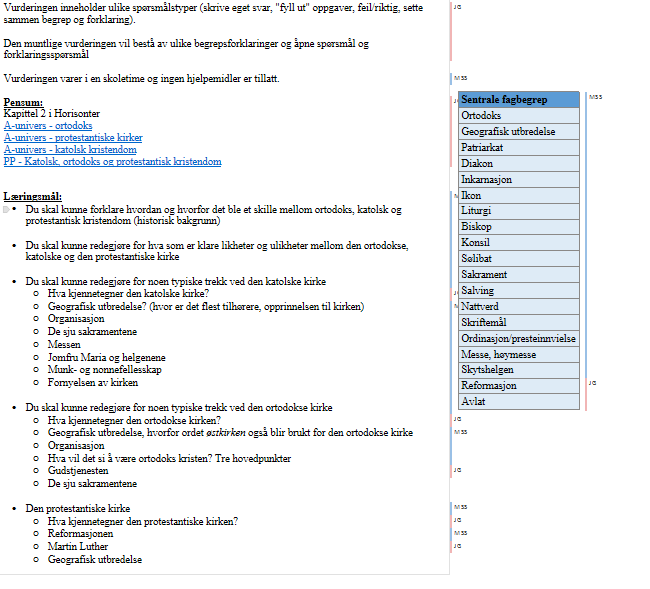
The document outlines the differences and similarities between Orthodox, Catholic, and Protestant Christianity. It includes key concepts, historical background, and specific traits of each branch. The document is intended for educational purposes, focusing on understanding the distinctions and commonalities among these Christian denominations.
Understanding the distinctions and similarities between Orthodox, Catholic, and Protestant Christianity is crucial for several reasons:
- Cultural Awareness: Christianity has played a significant role in shaping cultures and societies worldwide. By understanding the differences and commonalities among its branches, you gain insight into various cultural practices and beliefs.
- Historical Context: The schisms and reforms within Christianity have had profound historical impacts. Learning about these events helps you understand the historical context of many modern societal structures and conflicts.
- Religious Literacy: In a world with diverse religious beliefs, being knowledgeable about major world religions promotes tolerance and understanding. It allows for more informed discussions and interactions with people of different faiths.
- Critical Thinking: Analyzing the theological and doctrinal differences encourages critical thinking and the ability to evaluate complex ideas.
- Personal Growth: For those with a personal interest in religion, this knowledge can deepen your understanding of your own beliefs and those of others.
By engaging with this quiz, you will enhance your knowledge of Christianity's major branches, their historical developments, and their cultural significance. This understanding is not only academically enriching but also essential for fostering a more inclusive and informed worldview.
You may be interested in these quizzes
Orthodox, Catholic, Protestant Christianity
Religion
History
Christianity
02/03/2026
The document outlines the differences and similarities between Orthodox, Catholic, and Protestant Christianity. It includes key concepts, historical background, and specific traits of each branch. The document is intended for educational purposes, focusing on understanding the distinctions and commonalities among these Christian denominations.
Number of questions : 8
Historical Events and Figures
History
Culture
Religion
20/02/2026
This document appears to be a page from a history textbook or exam paper, focusing on various historical events and figures. It includes multiple-choice questions about historical developments, religious figures, and cultural impacts. The questions are designed to test knowledge of historical timelines and significant contributions.
Number of questions : 8
Medieval India: Culture and Politics
History
Culture
Religion
02/02/2026
The document discusses the cultural and political changes in India during the medieval period, focusing on the influence of the Delhi Sultanate and the Bhakti movement. It highlights the continuity of traditions and the spread of new religious ideas across different regions.
Number of questions : 8
The Bible: An Overview
Religion
History
Literature
25/12/2025
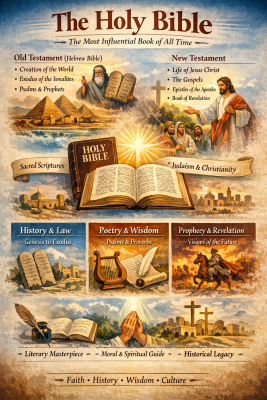
This document is an illustrated overview of the Bible, highlighting its division into the Old and New Testaments. It emphasizes key themes such as creation, the life of Jesus, and prophecy, and underscores the Bible's influence as a sacred scripture and historical legacy.
Number of questions : 8
Barack Obama's Life Overview
History
Politics
American Presidents
07/02/2026
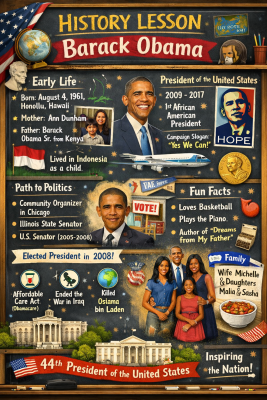
This infographic provides an overview of Barack Obama's life, from his early years in Hawaii and Indonesia to his presidency. It highlights his political career, achievements, and personal life, including his family and interests.
Number of questions : 8
European Union Membership Timeline

European Union
History
Geography
20/02/2026
This document lists the countries that joined the European Union in various years, starting from 1957 with the founding members and continuing through subsequent enlargements.
Number of questions : 8
Divine Right of Kings Explained
History
Political Science
Religious Studies
15/02/2026
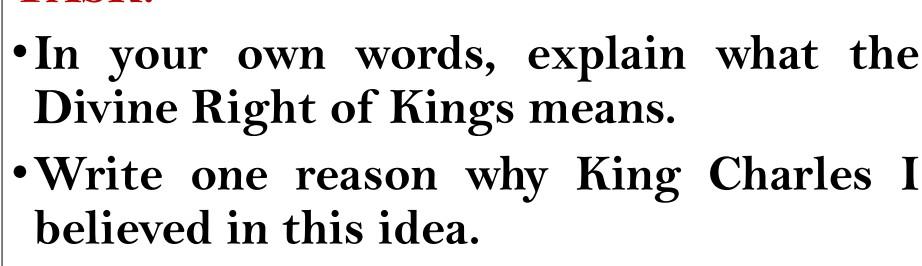
The document discusses the concept of the Divine Right of Kings, a political and religious doctrine asserting that a monarch's authority is granted directly by God. It also explores why King Charles I believed in this idea, emphasizing its historical significance in shaping monarchies.
Number of questions : 8