Quiz - Theory and Object-Oriented Design
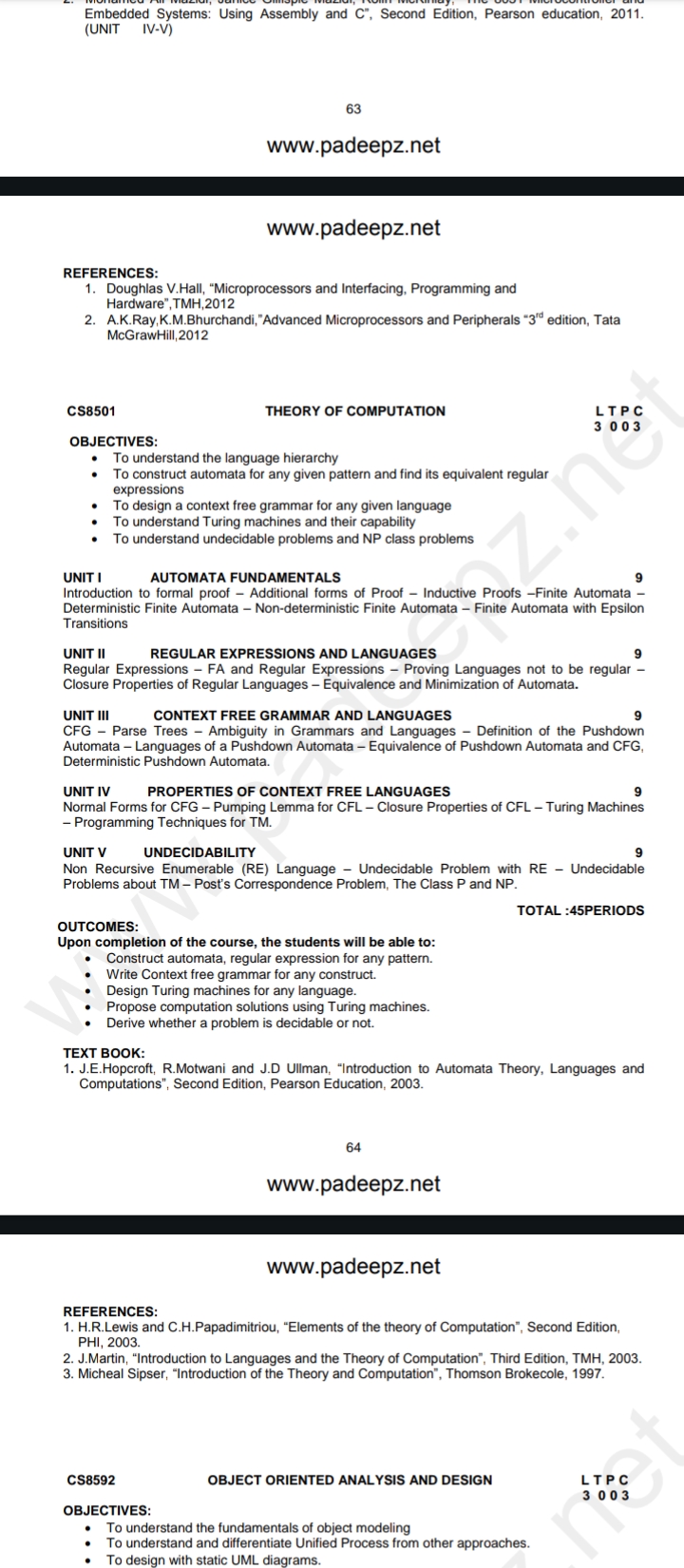
Understanding the Theory of Computation and Object-Oriented Design is crucial for anyone pursuing a career in computer science.
Theory of Computation provides the foundational knowledge needed to understand how computers process information. By learning about automata, regular expressions, and Turing machines, you gain insight into the capabilities and limitations of computational systems. This knowledge is essential for designing efficient algorithms and understanding complex computational problems, such as those in the NP class.
Object-Oriented Analysis and Design focuses on the principles of object modeling and the Unified Process. Mastering these concepts allows you to design robust and scalable software systems. Understanding UML diagrams and object-oriented principles is vital for software development, as it helps in creating clear and maintainable code structures.
Why is this quiz beneficial?
- Enhances Problem-Solving Skills: By tackling questions on automata and undecidability, you sharpen your ability to approach and solve complex problems. - Improves Software Design Abilities: Understanding object-oriented design principles aids in developing high-quality software. - Prepares for Advanced Studies: A solid grasp of these topics is essential for advanced studies in computer science and related fields.
In summary, this quiz not only tests your knowledge but also reinforces key concepts that are fundamental to computer science. It prepares you for both academic and professional success by enhancing your analytical and design skills.
You may be interested in these quizzes
Theory and Object-Oriented Design
Introduction to OOP and Java

Computer Science Study Guide

Basic Computer Functions Overview

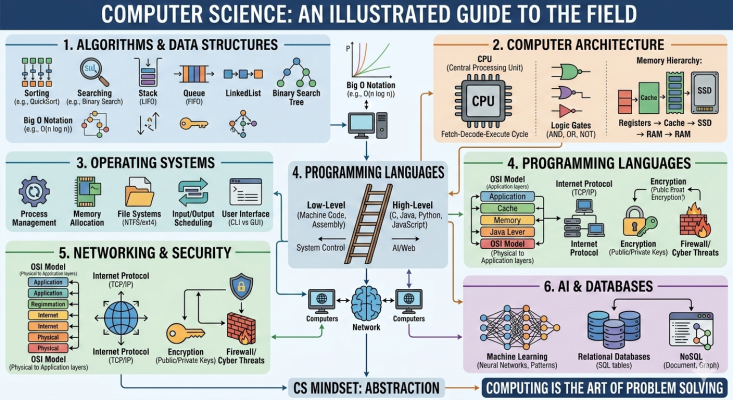
Computer Science Illustrated Guide
Introduction to Artificial Intelligence