
Quiz - Introduction to Historical Sources
Number of questions :
8
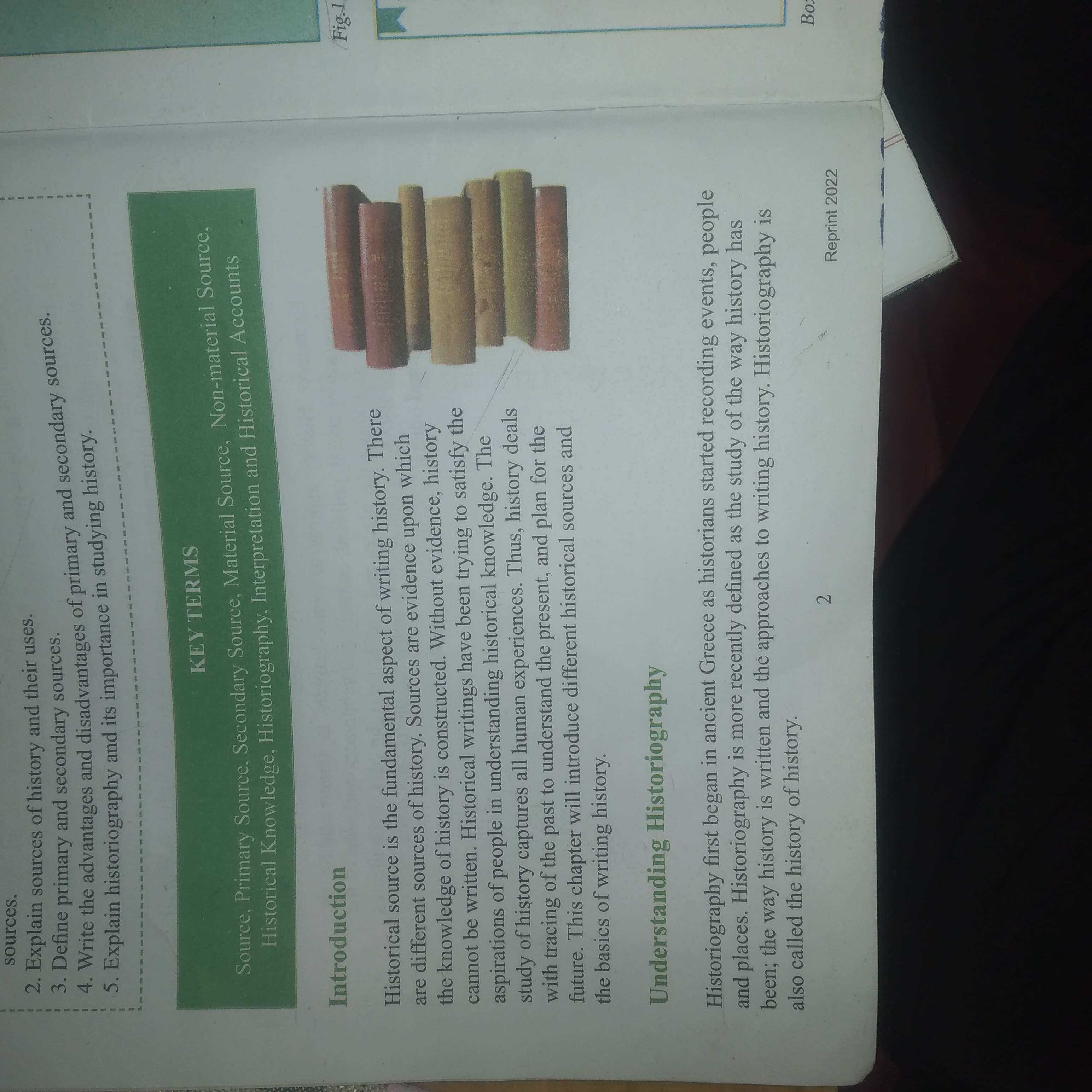
This document introduces the fundamental aspects of writing history, focusing on historical sources and historiography. It explains the importance of primary and secondary sources, and how historiography helps in understanding historical knowledge. The chapter aims to provide a basic understanding of historical writing and its significance.
Understanding historical sources and historiography is crucial for several reasons:
- Foundation of Knowledge: Historical sources are the backbone of historical knowledge. They provide the evidence needed to construct an accurate picture of the past.
- Critical Thinking: Engaging with primary and secondary sources enhances critical thinking skills. It encourages individuals to analyze, interpret, and question the validity of information.
- Cultural Awareness: Learning about different historical sources and historiography fosters a deeper understanding of diverse cultures and societies. It helps in appreciating the complexities of human experiences across time.
- Informed Citizenship: A well-rounded understanding of history and its sources equips individuals to be informed citizens. It enables them to make better decisions and contribute meaningfully to society.
- Preservation of Heritage: Understanding historiography aids in preserving cultural heritage. It ensures that the methods of recording and interpreting history are passed down accurately to future generations.
In summary, this quiz not only tests your knowledge but also enriches your understanding of how history is written and interpreted. It highlights the importance of historical sources and the role of historiography in shaping our perception of the past.
You may be interested in these quizzes
Introduction to Historical Sources
History
Historiography
Education
13/06/2026
This document introduces the fundamental aspects of writing history, focusing on historical sources and historiography. It explains the importance of primary and secondary sources, and how historiography helps in understanding historical knowledge. The chapter aims to provide a basic understanding of historical writing and its significance.
Number of questions : 8
Form 5 Malaysian History Guide
History
Education
Politics
09/10/2026
This document is a history study guide for Form 5 students, focusing on Malaysian history. It includes multiple-choice questions about historical events, figures, and political developments in Malaysia. The guide is designed to help students prepare for exams by testing their knowledge and understanding of key historical concepts.
Number of questions : 8
Overview of Plato's Philosophy
Philosophy
History
Education
19/02/2026
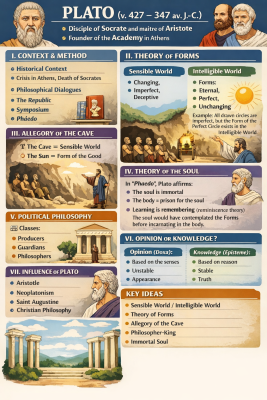
This document provides an overview of Plato's philosophy, including his context, theory of forms, allegory of the cave, theory of the soul, political philosophy, and influence on later thinkers.
Number of questions : 8
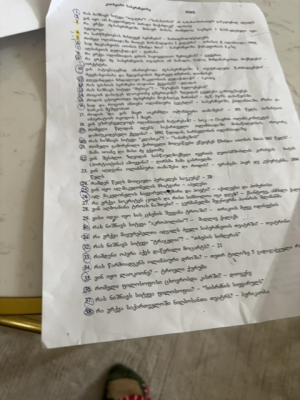
Georgian Educational Exercise Sheet
Education
Language
History
07/02/2026
The document appears to be a handwritten page in Georgian, possibly containing a list of questions or exercises related to a specific subject, such as history or literature. The content seems to be structured in a numbered format, indicating a series of tasks or questions for educational purposes.
Number of questions : 8
Periodic Table of Elements Overview
Chemistry
Science
Education
24/02/2026
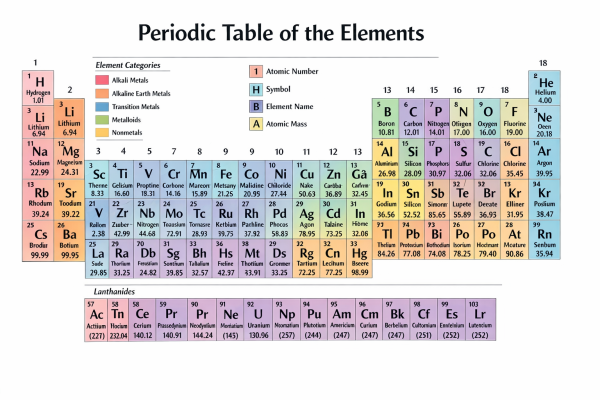
The periodic table organizes chemical elements by increasing atomic number, grouping them into categories such as alkali metals, transition metals, and nonmetals. It provides essential information like atomic mass and element symbols, serving as a fundamental tool in chemistry for understanding element properties and relationships.
Number of questions : 8
Countries and Capitals List
Geography
Education
World Knowledge
20/02/2026
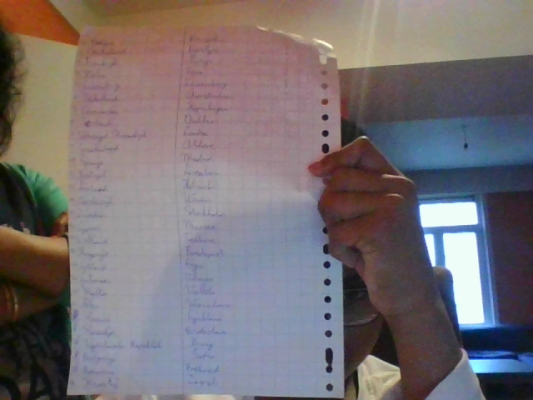
A list of countries and their capitals, written in two columns on a sheet of paper. The document appears to be a study guide for learning the capitals of various countries.
Number of questions : 8
Barack Obama's Life Overview
History
Politics
American Presidents
07/02/2026
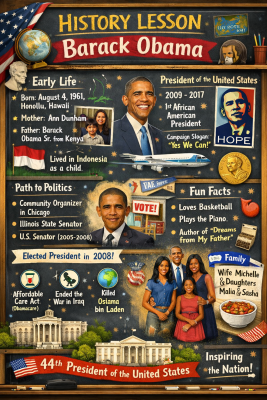
This infographic provides an overview of Barack Obama's life, from his early years in Hawaii and Indonesia to his presidency. It highlights his political career, achievements, and personal life, including his family and interests.
Number of questions : 8