Quiz - Periodic Table and Configurations
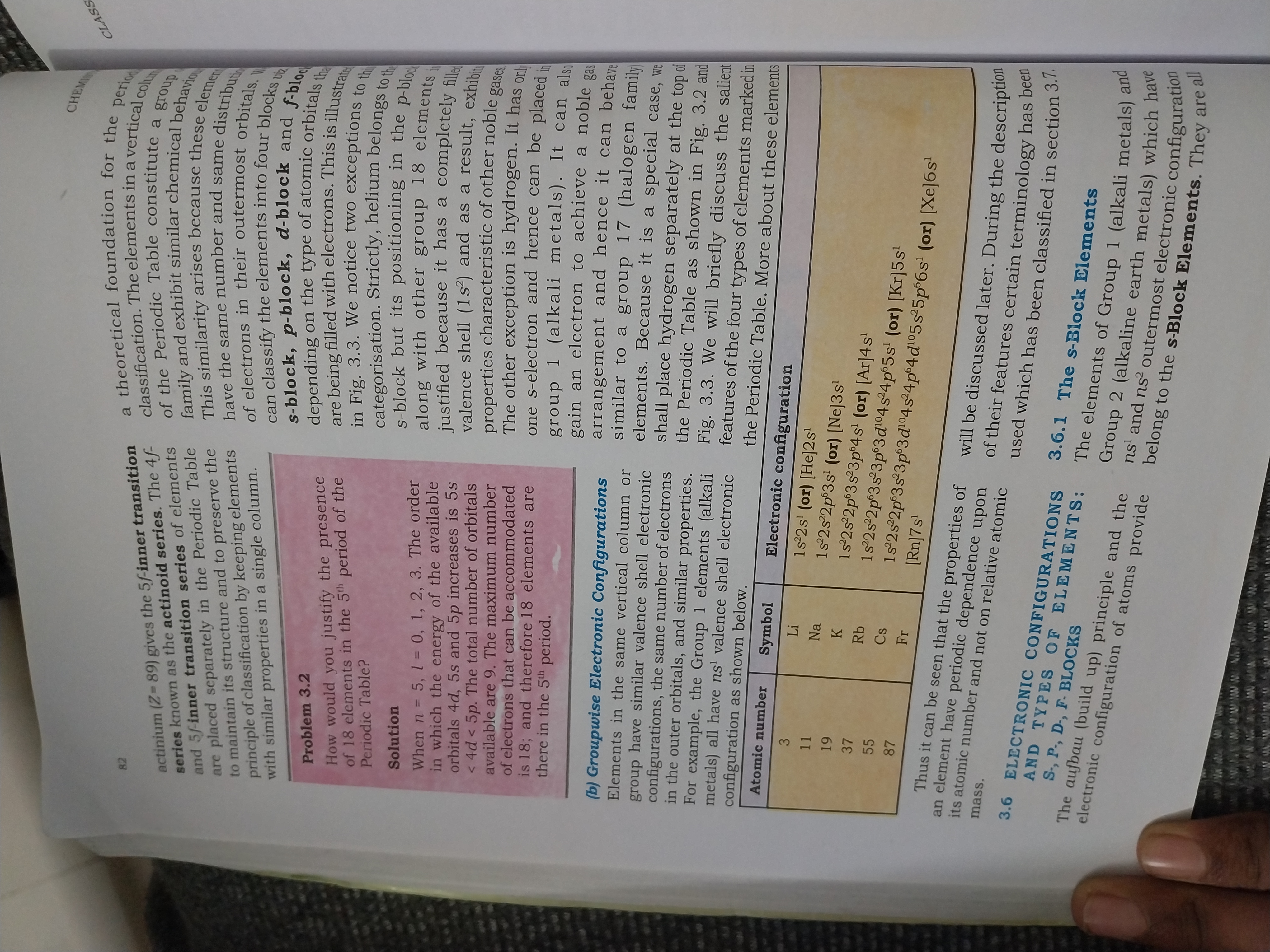
Understanding the Periodic Table and Electronic Configurations
Learning about the periodic table and electronic configurations is crucial for several reasons:
1. Foundation of Chemistry: The periodic table is the cornerstone of chemistry. Understanding it helps in grasping the properties and behaviors of elements, which is essential for studying chemical reactions and compounds.
2. Predicting Chemical Behavior: By knowing the electronic configurations, you can predict how elements will interact with each other. This is vital for fields like chemical engineering, pharmacology, and materials science.
3. Scientific Literacy: A solid understanding of the periodic table enhances scientific literacy, allowing you to engage with scientific discussions and literature more effectively.
4. Problem-Solving Skills: Analyzing the periodic table and electronic configurations develops critical thinking and problem-solving skills, which are applicable in various scientific and non-scientific contexts.
5. Interdisciplinary Relevance: Knowledge of the periodic table is not only relevant to chemistry but also to physics, biology, and environmental science, making it a versatile tool in understanding the natural world.
In summary, this quiz will deepen your understanding of the periodic table, enhance your ability to predict chemical behaviors, and improve your overall scientific literacy.
You may be interested in these quizzes
Classification of Elements and Periodicity

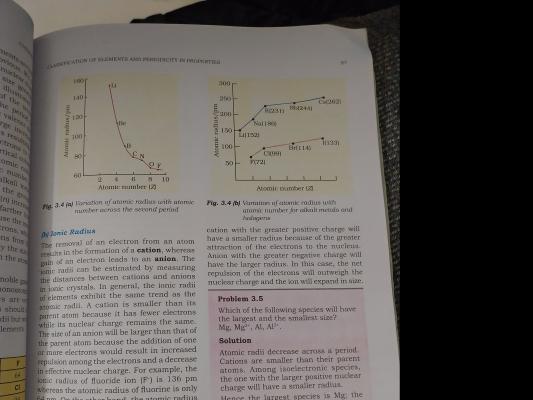
Atomic Radii and Periodic Trends

Periodic Table and Configurations

Mendeleev's Periodic Table Development

History of Periodic Classification

Electron Gain and Electronegativity

Element Classification and Periodicity