
Quiz - Anatomy of the Human Eye
Number of questions :
8
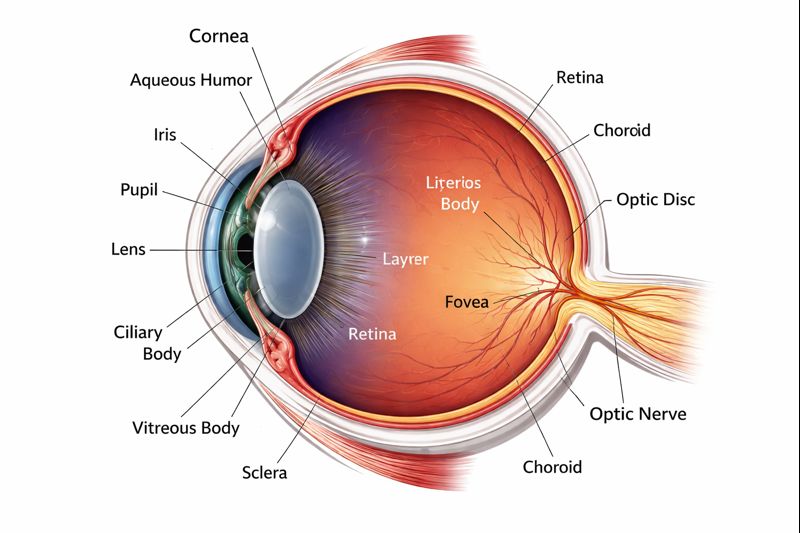
This diagram illustrates the anatomy of the human eye, detailing its various components such as the cornea, iris, lens, retina, and optic nerve. It serves as a visual guide to understanding how the eye functions and the role each part plays in the process of vision.
Understanding the anatomy of the human eye is crucial for several reasons:
- Biology and Anatomy Knowledge: By learning about the eye's structure, you gain insights into how complex and efficient biological systems are. This knowledge is foundational for anyone interested in biology or pursuing a career in health sciences.
- Vision Science: Understanding how the eye works helps in comprehending how we perceive the world. This is essential for fields like optometry, ophthalmology, and even psychology, where vision plays a critical role in human behavior and cognition.
- Health Awareness: Knowing the parts of the eye and their functions can help in identifying and understanding common eye conditions and diseases. This awareness can lead to better personal eye care and prompt medical consultation when necessary.
- Technological Applications: The principles of how the eye works are applied in designing cameras and optical instruments. Understanding these principles can be beneficial for careers in technology and engineering.
In summary, this quiz not only enhances your knowledge of human biology but also equips you with practical insights applicable in various professional and personal contexts. Being informed about how our bodies work, especially something as vital as vision, is an invaluable asset.
You may be interested in these quizzes
Anatomy of the Human Eye
Biology
Anatomy
Vision Science
03/01/2026
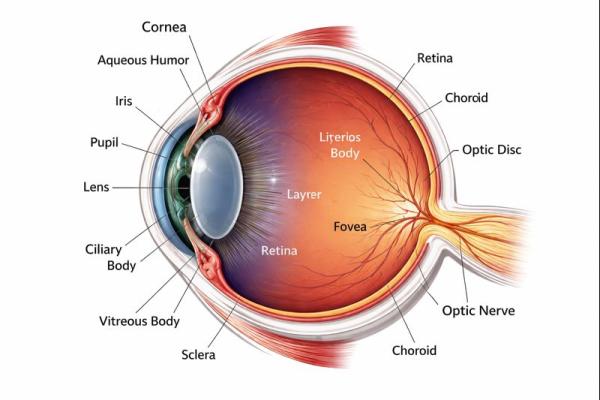
This diagram illustrates the anatomy of the human eye, detailing its various components such as the cornea, iris, lens, retina, and optic nerve. It serves as a visual guide to understanding how the eye functions and the role each part plays in the process of vision.
Number of questions : 8
Human Body Health and Illness
Biology
Anatomy
Neuroscience
19/05/2026
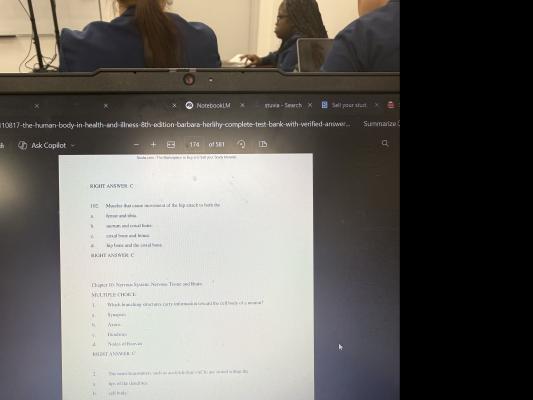
This document is a test bank from "The Human Body in Health and Illness" by Barbara Herlihy. It covers topics such as muscle attachments and the nervous system, including neuron structures and neurotransmitter storage.
Number of questions : 8
Drug Effects and Human Skeleton
Biology
Health
Anatomy
25/04/2026
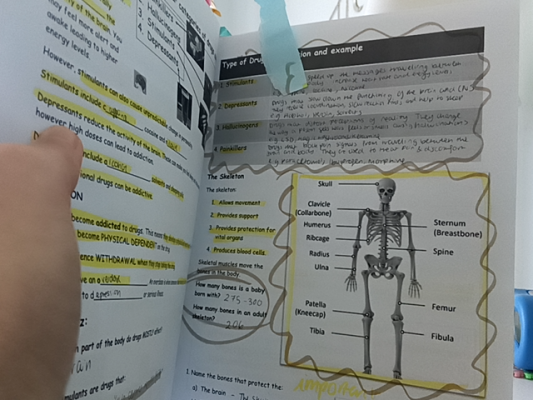
This document covers the effects of different types of drugs, including stimulants, depressants, and painkillers, on the human body. It also includes information about the human skeleton, detailing the names and functions of various bones.
Number of questions : 8
Simple Columnar Epithelium Overview
Biology
Histology
Anatomy
07/03/2026
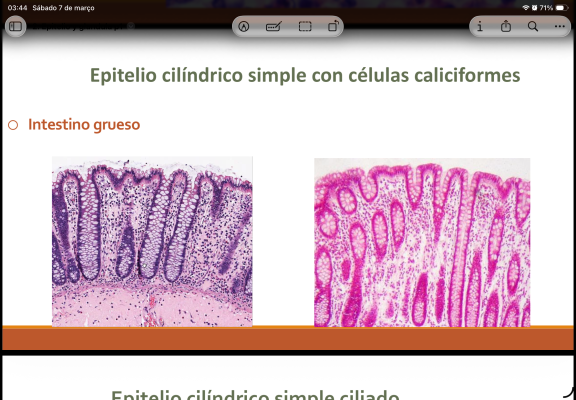
The document explains the structure and function of simple columnar epithelium with goblet cells, focusing on the large intestine. It includes histological images to illustrate the cellular arrangement and characteristics.
Number of questions : 8
Anatomy of the Human Hand
Biology
Anatomy
Health
09/01/2026
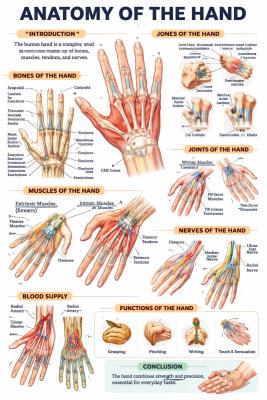
This document provides a detailed overview of the anatomy of the human hand, including bones, muscles, joints, nerves, blood supply, and functions. It highlights the complexity and precision of the hand, essential for various tasks such as grasping, pinching, writing, and sensation.
Number of questions : 8
Introduction to the Lungs
Biology
Health
Anatomy
27/12/2025
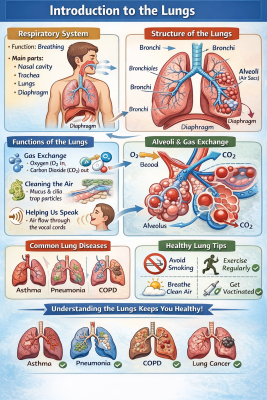
This infographic provides an overview of the respiratory system, focusing on lung structure, functions, and common diseases. It highlights the importance of gas exchange, air cleaning, and vocalization. Additionally, it offers tips for maintaining healthy lungs and identifies common lung diseases such as asthma, pneumonia, and COPD.
Number of questions : 8
The Head - Science Diagram
Biology
Anatomy
Education
24/12/2025
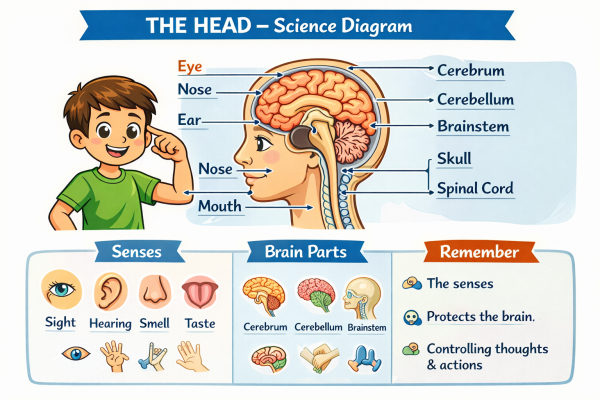
This diagram illustrates the human head, highlighting the senses, brain parts, and their functions. It labels the eye, nose, ear, mouth, cerebrum, cerebellum, brainstem, skull, and spinal cord. It also explains the senses of sight, hearing, smell, and taste, and their role in protecting the brain and controlling thoughts and actions.
Number of questions : 8