Quiz - Types of Emotional Arguments
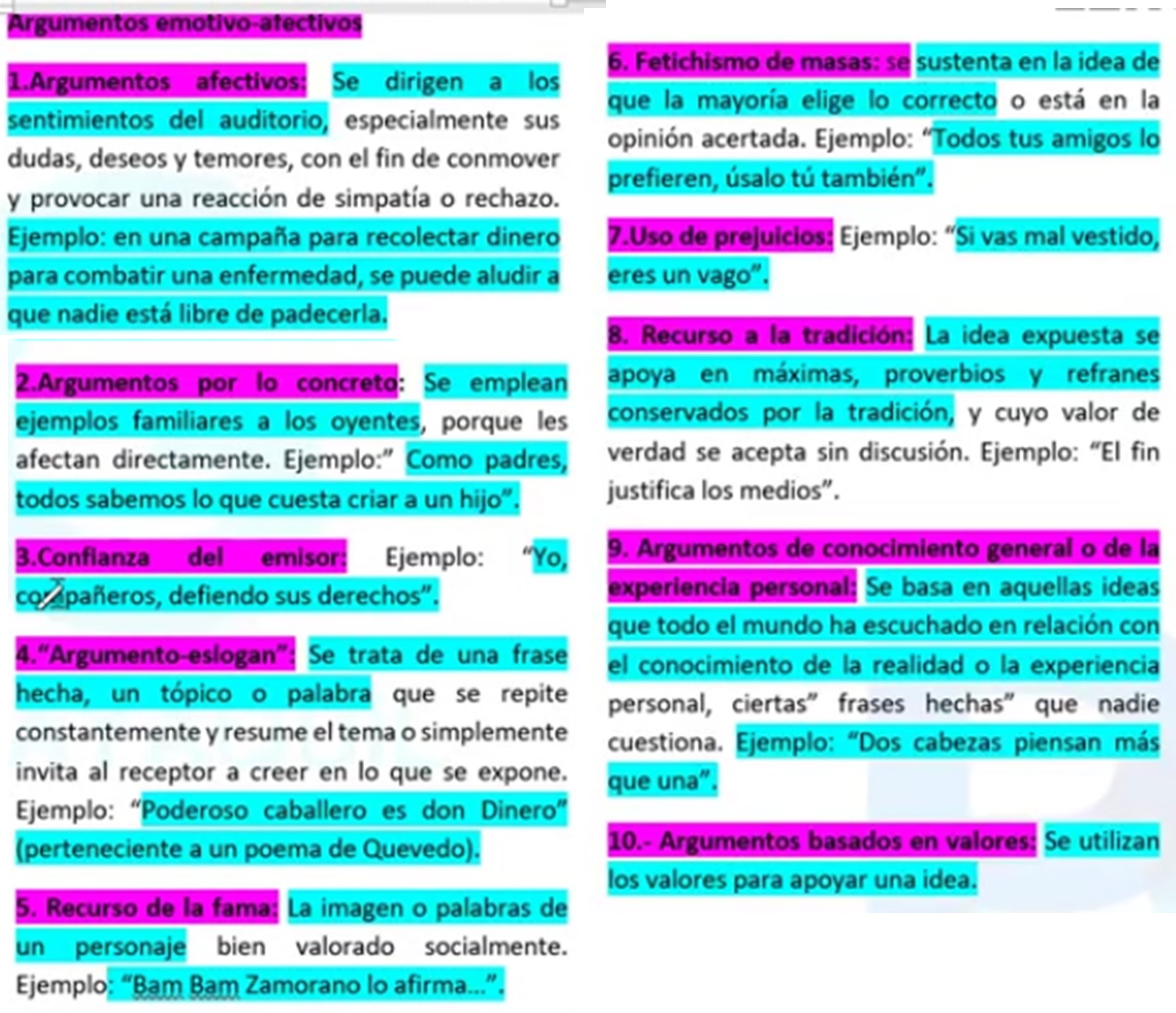
Learning about emotional and affective arguments is crucial for effective communication and persuasion.
Understanding these arguments helps in recognizing how emotions and beliefs influence decision-making. This knowledge is valuable in various fields such as marketing, politics, and everyday interactions. By identifying these techniques, you can become a more critical consumer of information and a more persuasive communicator.
Communication: Knowing how to use and identify these arguments enhances your ability to convey messages effectively and persuasively.
Persuasion: Mastering these techniques allows you to influence others' opinions and decisions, which is essential in leadership and negotiation.
Rhetoric: Understanding the art of rhetoric helps in crafting compelling arguments and counterarguments, improving your debate and discussion skills.
Overall, this quiz provides insights into the subtle ways language can be used to influence thoughts and actions, making you more aware of the dynamics of persuasion in everyday life.
You may be interested in these quizzes
Types of Emotional Arguments

German Language Group Introduction

Literature and Communication Concepts

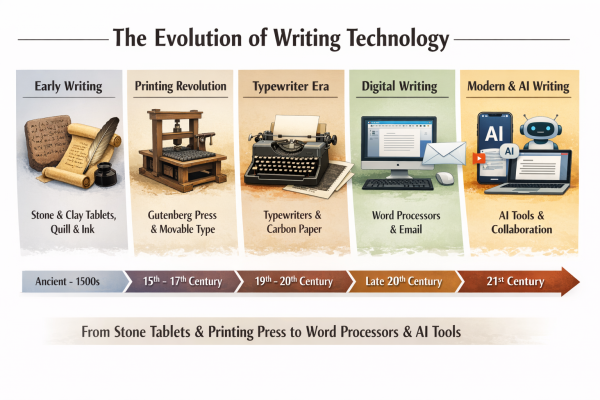
Evolution of Writing Technology
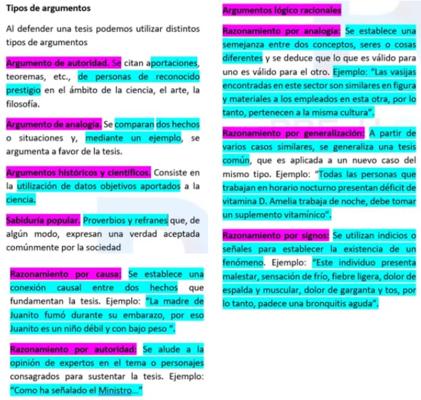
Types of Arguments Explained
Identifying Wireless and Wired Connections