Quiz - Reproduction: Definitions and Concepts

Understanding Reproduction: A Key to Life
Reproduction is a fundamental biological process that ensures the survival and continuity of species. By engaging with this quiz, you will gain insights into both sexual and asexual reproduction, learning about their definitions, characteristics, and implications.
Why is this knowledge important?
1. Biological Literacy: Understanding reproduction is crucial for comprehending broader biological concepts, such as genetics and evolution. It forms the basis for understanding how traits are passed from one generation to the next.
2. Genetic Diversity: Sexual reproduction introduces genetic variation, which is vital for the adaptability and resilience of species. This knowledge helps in appreciating the complexity of ecosystems and the importance of biodiversity.
3. Ethical Considerations: Concepts like eugenics and inbreeding raise important ethical questions. Understanding these can inform discussions on genetic engineering, conservation, and human intervention in natural processes.
4. Practical Applications: Knowledge of reproduction is applied in fields like agriculture, medicine, and conservation. It aids in breeding programs, fertility treatments, and preserving endangered species.
By mastering these concepts, you become more informed about the natural world and the scientific principles that govern life. This understanding not only enhances your scientific literacy but also empowers you to engage in informed discussions about biological and ethical issues in society.
You may be interested in these quizzes
Reproduction: Definitions and Concepts

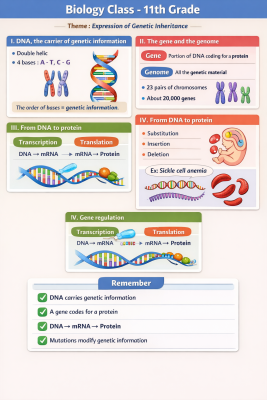
Biology Class: Genetic Inheritance
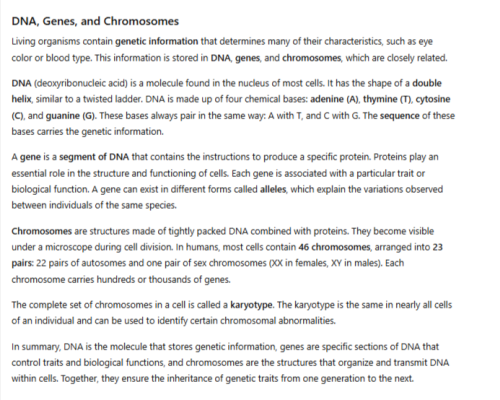
DNA, Genes, and Chromosomes
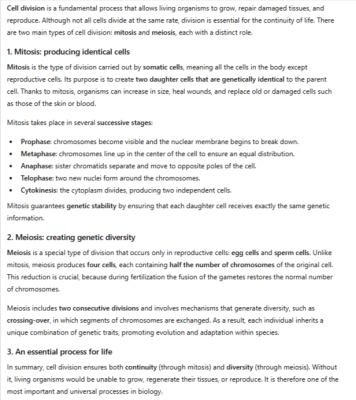
Cell Division: Mitosis and Meiosis
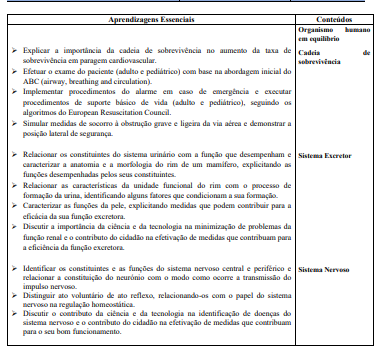
Human Body Systems Overview
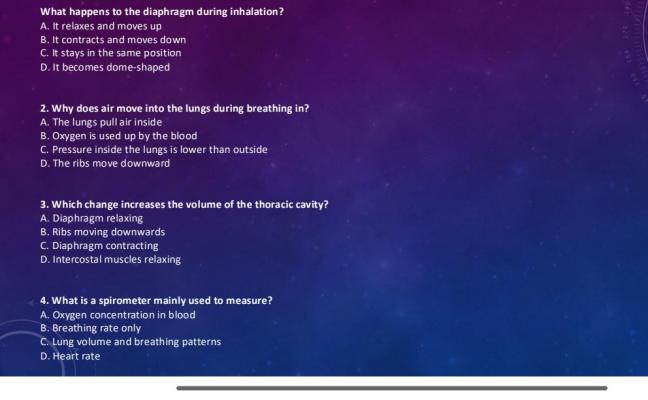
Breathing Mechanics and Spirometry
Breathing and Alveoli Adaptations