Quiz - Causes of 19th Century Reforms
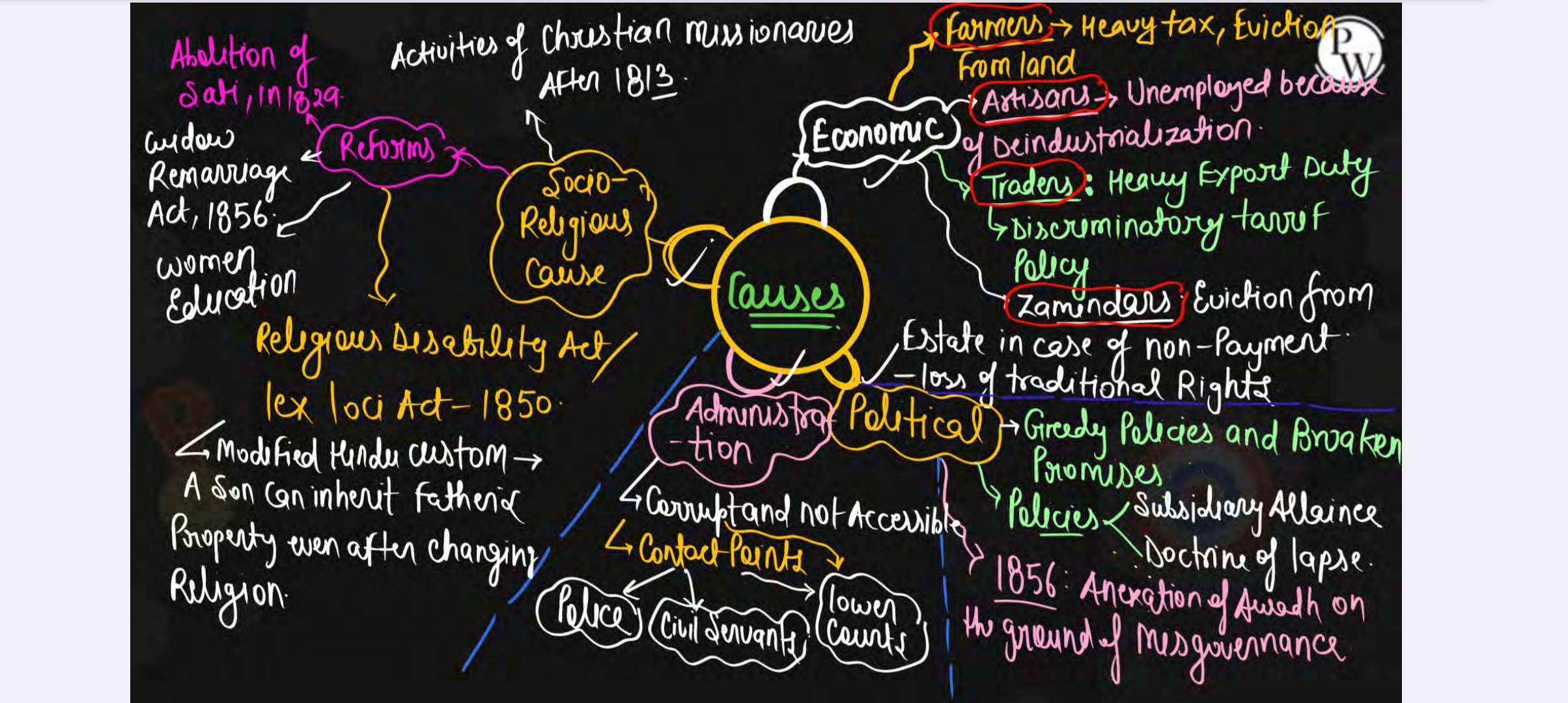
Understanding the Causes of 19th Century Reforms in India
Learning about the socio-religious, economic, and political causes of reforms in 19th century India provides valuable insights into the historical context of colonial rule and its impact on society.
- Historical Context: By exploring the abolition of Sati, widow remarriage, and the Lex Loci Act, you gain a deeper understanding of the social reforms that shaped modern India.
- Economic Impact: Understanding the economic policies, such as heavy export duties and deindustrialization, reveals the challenges faced by different social classes, including farmers, artisans, and traders.
- Political Dynamics: The political causes, including the Doctrine of Lapse and Subsidiary Alliance, highlight the strategies used by the British to consolidate power, leading to widespread discontent.
This quiz not only enhances your knowledge of Indian history but also provides a broader perspective on how colonial policies influenced social structures and economic conditions. Being informed about these historical events is crucial for understanding contemporary social and political issues, making you a more informed and engaged global citizen.
You may be interested in these quizzes
Causes of 19th Century Reforms

Industrial Revolution Technological Advancements

Medieval Cities: Decline and Revival

Polish Territories Before Uprising

Barack Obama's Life Overview

European Union Membership Timeline

Basic Economic Concepts Overview