
Quiz - Indigenous Peoples Treatment Overview
Understanding the Treatment of Indigenous Peoples in the U.S.
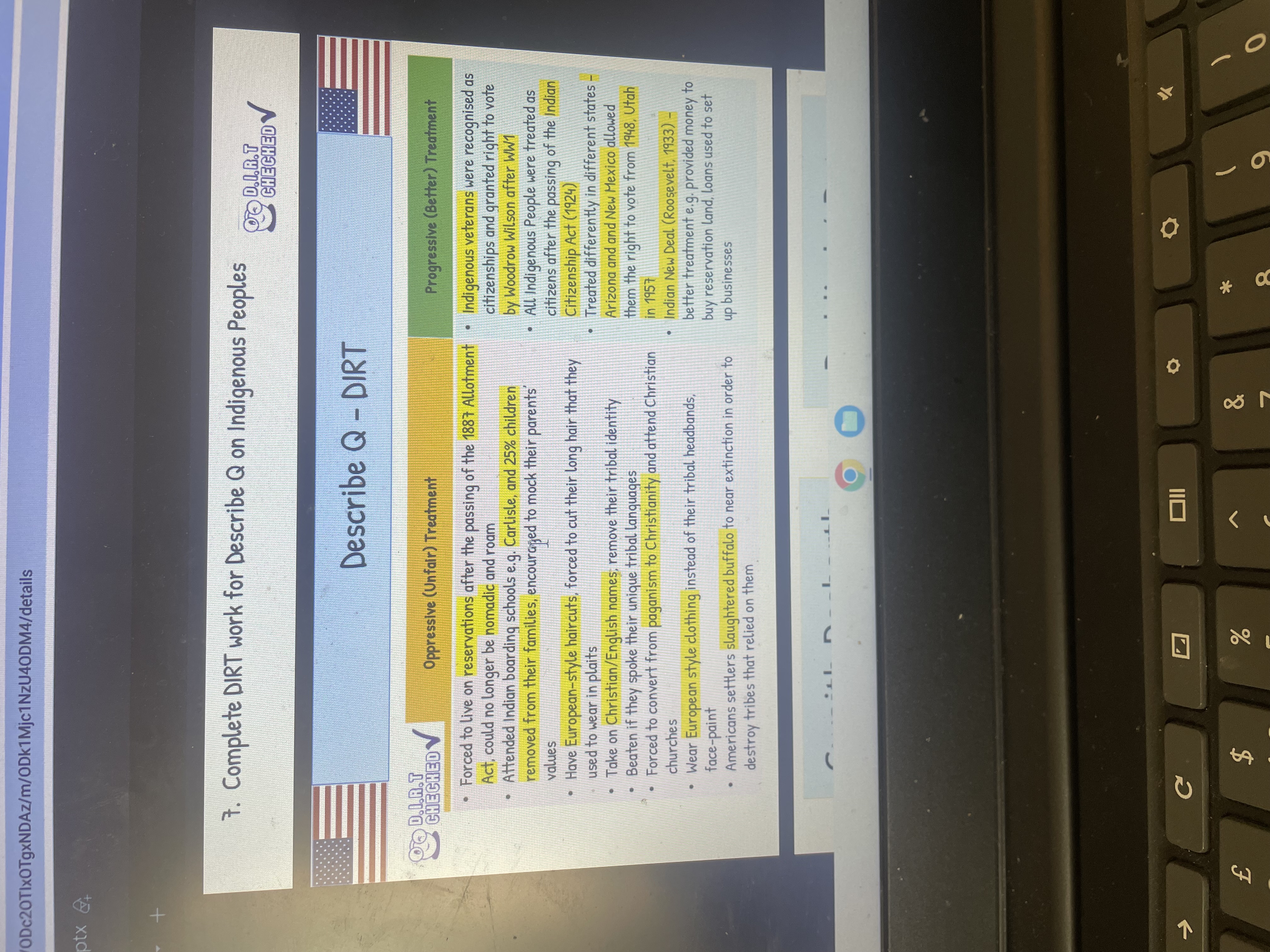
Historical Context: This quiz provides insights into the historical treatment of Indigenous Peoples in the United States, highlighting the transition from oppressive policies to more progressive recognition of rights. Understanding these changes is crucial for comprehending the broader narrative of American history and the struggles faced by Indigenous communities.
Awareness of Policies: By learning about specific acts like the 1887 Allotment Act and the Indian Citizenship Act of 1924, you gain awareness of the legislative measures that have shaped the lives of Indigenous Peoples. This knowledge is essential for anyone interested in law, politics, or social justice.
Cultural Sensitivity: Recognizing the forced assimilation practices, such as the removal of children from their families and the imposition of European customs, fosters cultural sensitivity and empathy. It highlights the importance of respecting and preserving Indigenous cultures and traditions.
Contemporary Relevance: The quiz also touches on the ongoing impact of historical policies on current Indigenous issues. Understanding this history is vital for engaging in informed discussions about contemporary Indigenous rights and advocacy.
Overall, this quiz enriches your understanding of a significant aspect of American history, promoting a more inclusive and informed perspective on Indigenous Peoples' rights and contributions.
You may be interested in these quizzes
Indigenous Peoples Treatment Overview
The American Civil War Overview

Barack Obama's Life Overview

European Union Membership Timeline

Divine Right of Kings Explained
Key Historical and Political Concepts

Causes of Polish Uprising
